From building a Living Trust to updating an old one, we make it easy for you to create and maintain a plan that protects what you care about most!

Did you experience a recent death in the family? Click Here For Specialized Help
In California, a Will alone does not keep your family out of Probate Court, and if you pass away owning real estate or significant assets outside of a Trust, your family may face a variety of headwinds.
From building a Living Trust to updating an old one, we make it easy for you to create and maintain a plan that protects what you care about most!


A Vanguard Revocable Trust protects what you've built and ensures smooth asset transfer.

Build a plan that includes your Trust, Advance Healthcare Directive, Power of Attorney, Will and more.

Every Vanguard Trust is tailored to your unique needs, with transparent, flat-fee pricing.
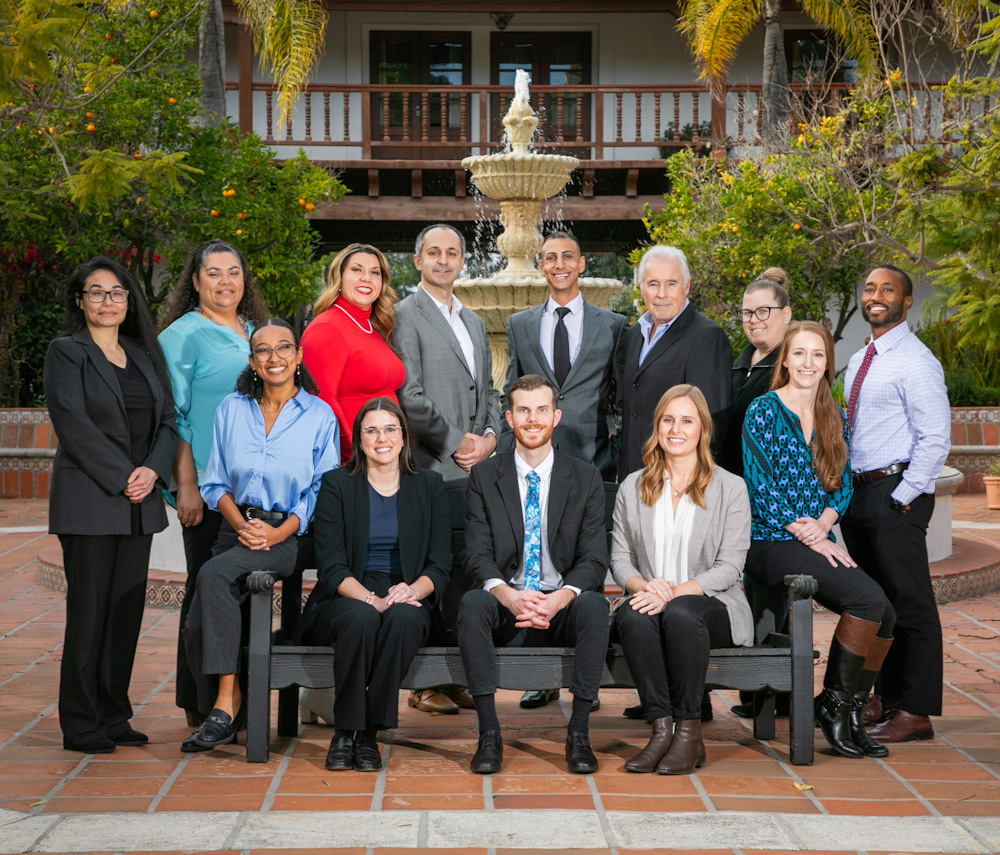
Trusted by over 27,000 California Families.
Whether you’re starting your Estate Plan or reviewing an existing one, our legal team will help you understand your options and the best path forward.
Schedule your free 15-minute consultation today.
This quick assessment helps you identify what may be missing and what’s needed to properly protect your assets, your decisions, and the people you care about most.
Every Vanguard Trust package includes essential components working together to safeguard your legacy.
This document enables you to properly fund your Trust by formally transferring your assets into its protection.
Vanguard drafts this document to capture your specific wishes and establish exactly how your assets will be managed and distributed.
This legally transfers your real estate into your Trust, ensuring your property avoids probate entirely.
This safety net captures assets accidentally left outside your Trust, automatically transferring them into your Trust’s protection upon your passing.
You designate someone you trust to make critical medical decisions on your behalf if you’re unable.
You authorize a trusted person to handle financial matters if you become incapacitated.
Vanguard Legal Group builds plans you can count on.
We’ve helped thousands of California households create custom-tailored Estate Plans that reflect their specific values and needs.
Estate Planning can feel complex, but understanding Trusts shouldn’t be.
Below, we’ve answered common questions about Living Trusts to help you feel informed, confident, and supported as you take your next steps!
A Revocable Trust, also known as a Living Trust, is a legal arrangement in which an individual (the grantor or settlor) transfers assets into a Trust during their lifetime.
The Trustor remains the owner of these assets and can amend, modify, or revoke the Trust at any time while they are still alive.
Unlike a Will, a Living Trust keeps your affairs private, helps avoid court involvement, and can provide protection in the event of incapacity.
At Vanguard Legal Group, we create customized Revocable Trusts that reflect your goals, simplify the legal process, and protect your loved ones — and we’ve never written a Trust that has gone through Probate.
A Revocable Trust can provide significant benefits.
It offers a flexible and private way to manage and distribute your assets during your lifetime and after your passing.
By avoiding the public Probate process, you can streamline the transfer of your assets, saving time, reducing costs, and protecting your family’s privacy.
A Revocable Trust can also help you plan for potential incapacity, ensuring that your wishes are carried out, even if you cannot make decisions for yourself.
In California, if you pass away with assets valued over $184,500 not held in a Trust, California law will require a process called Probate.
Probate is a Court Proceeding initiated by your family or creditors. This includes proceeding determines:
1. The Existence and Validity of a Will: Was a Will validly executed? What are the Terms of the Will?
2. Financial Obligations: Are there any debts or taxes to be paid?
3. Asset Valuation: What is the total value of the deceased’s Estate?
4. Heirs and Beneficiaries: Who are the rightful inheritors of the Estate?
The California state court oversees this process, which can be slow, time-consuming and expensive. After all creditors, taxes, probate court expense, attorney fees, and other liabilities have been paid, then the remaining assets are distributed to the beneficiaries named in a Will, or to the heirs as determined by law if there was no Will.
In many instances, Probate is initiated by family members when real Estate is involved.
After you pass away, a Successor Trustee, designated by you in your Trust document, will be responsible for managing your assets.
This Successor Trustee (an individual or entity) will distribute your assets according to your wishes, pay any outstanding debts, and ensure your beneficiaries receive their inheritance.
Choosing a Successor trustee who is trustworthy, reliable, and capable of handling your Estate’s financial and legal aspects is crucial.
We’d love to provide the expert guidance you need to move forward with confidence.